Login | Become a member
NAPA VALLEY GRAPEGROWERS
  • About Us
    • 50th Anniversary
    • Mission & History
    • Board of Directors
    • Our Team
    • Grower of the Year >
      • About the Grower of the Year Award
    • Lifetime Achievement Award
    • Sponsorship
    • In the News
    • Contact Us
  • Viticulture
    • Growing Season
    • Pests & Diseases
    • Soil Health >
      • Cover Crops
      • Compost
    • Vineyard Development
    • Water & Irrigation >
      • Groundwater Sustainability Plan
  • Environment
    • Air Quality >
      • Agricultural Burning
    • Ag Preserve >
      • Conservation Landscape
    • Climate Resilience >
      • Climate Video Series
      • Modern vs. Fossil CO2
      • Reduce Climate Impact
    • Wildfires
  • Resources
    • Best Practices
    • Directory
    • Grower Resources >
      • Crop Insurance
      • Financial Model
      • Tools for Grape Sales
      • Weather Alert
    • Industry Blog
    • Napa Winegrape Market
    • Podcast
    • Reports & Research >
      • Grape Crush Report
      • Napa County Crop Report
      • Growing Conditions Report
      • Soil Health Report
  • Networking
    • Calendar
    • Paso Adelante
    • Harvest STOMP®
    • ROOTSTOCK
  • Members
    • Member Portal
    • How to Join >
      • Growers
      • Vineyard Management Companies
      • Associates
  • Community
    • FOG Blog
    • FAQs
  • Donate
    • Our Donors
    • Your Impact
    • Ways to Give
    • Sip and Support Program
  • About Us
    • 50th Anniversary
    • Mission & History
    • Board of Directors
    • Our Team
    • Grower of the Year >
      • About the Grower of the Year Award
    • Lifetime Achievement Award
    • Sponsorship
    • In the News
    • Contact Us
  • Viticulture
    • Growing Season
    • Pests & Diseases
    • Soil Health >
      • Cover Crops
      • Compost
    • Vineyard Development
    • Water & Irrigation >
      • Groundwater Sustainability Plan
  • Environment
    • Air Quality >
      • Agricultural Burning
    • Ag Preserve >
      • Conservation Landscape
    • Climate Resilience >
      • Climate Video Series
      • Modern vs. Fossil CO2
      • Reduce Climate Impact
    • Wildfires
  • Resources
    • Best Practices
    • Directory
    • Grower Resources >
      • Crop Insurance
      • Financial Model
      • Tools for Grape Sales
      • Weather Alert
    • Industry Blog
    • Napa Winegrape Market
    • Podcast
    • Reports & Research >
      • Grape Crush Report
      • Napa County Crop Report
      • Growing Conditions Report
      • Soil Health Report
  • Networking
    • Calendar
    • Paso Adelante
    • Harvest STOMP®
    • ROOTSTOCK
  • Members
    • Member Portal
    • How to Join >
      • Growers
      • Vineyard Management Companies
      • Associates
  • Community
    • FOG Blog
    • FAQs
  • Donate
    • Our Donors
    • Your Impact
    • Ways to Give
    • Sip and Support Program

Air Quality

Air Quality

Protecting air quality in Napa Valley is crucial for the health of the environment, the well-being of workers, and the overall quality of the grapes and wine produced. As responsible farmers, we should pursue practices that complement and protect our unique environment and natural resources, here are a few ways growers can work to protect air quality:
Picture
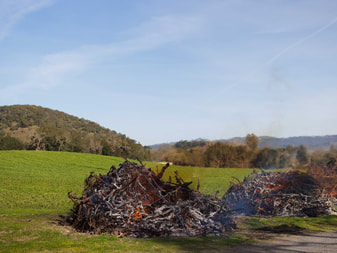
​​​Adopt Low Smoke Burning Methods: NVG's Vineyard Burning Task Force developed a 6-step approach to help preserve air quality by significantly reducing the amount of smoke generated in Napa County due to agricultural burns. The result is a virtually smoke-free burn. 

Use Integrated Pest Management (IPM): Use IPM techniques to minimize the use of chemical pesticides. This approach involves monitoring and managing pests through a combination of biological, cultural, physical, and chemical controls. ​​​
Understand Proper Pesticide Application: If pesticides are necessary, apply them during conditions that minimize drift, such as when there is low wind and stable atmospheric conditions. Use precision application equipment to target specific areas and reduce overspray.
​Plant Cover Crops: Planting cover crops between rows helps reduce soil erosion and dust. These cover crops can also help improve soil health and reduce the need for synthetic fertilizers. 

​Comply with Regulations: Comply with local, state, and federal regulations related to air quality and agricultural practices. Stay informed about any updates or changes to regulations that may affect vineyard operations.
Picture

Additional Resources

Picture
NVG Best Practices Paper: Responsible Spray Practices*
Picture
NVG’s Low-Smoke Agricultural Burning Program
Picture
Bay Area Air Quality Management District
* Requires NVG Member login to access
Trade Resources: Speakers | Press | Sponsors
​
Copyright Napa Valley Grapegrowers.  All Rights Reserved.

831 Latour Court, Suite A  |  Napa, CA 94558
Phone: (707) 944-8311 | [email protected]
Privacy Policy | Sitemap | All header images © Sarah Anne Risk
Napa Valley Grapegrowers is a 501(c)3 public charity. Our federal tax ID number is # 82-2012860

Sign-up for our community newsletter

​Subscribe to Friends of the Grapegrowers (FOG) to receive exclusive updates, educational workshops, vineyard tours, special events, and a quarterly newsletter with insights into Napa Valley grape-growing, sustainability, climate initiatives, and the latest trends in viticulture.
Subscribe
Picture
Picture
Picture
Strategic Partner