
|
by Carmela Guaglianone, SF Examiner 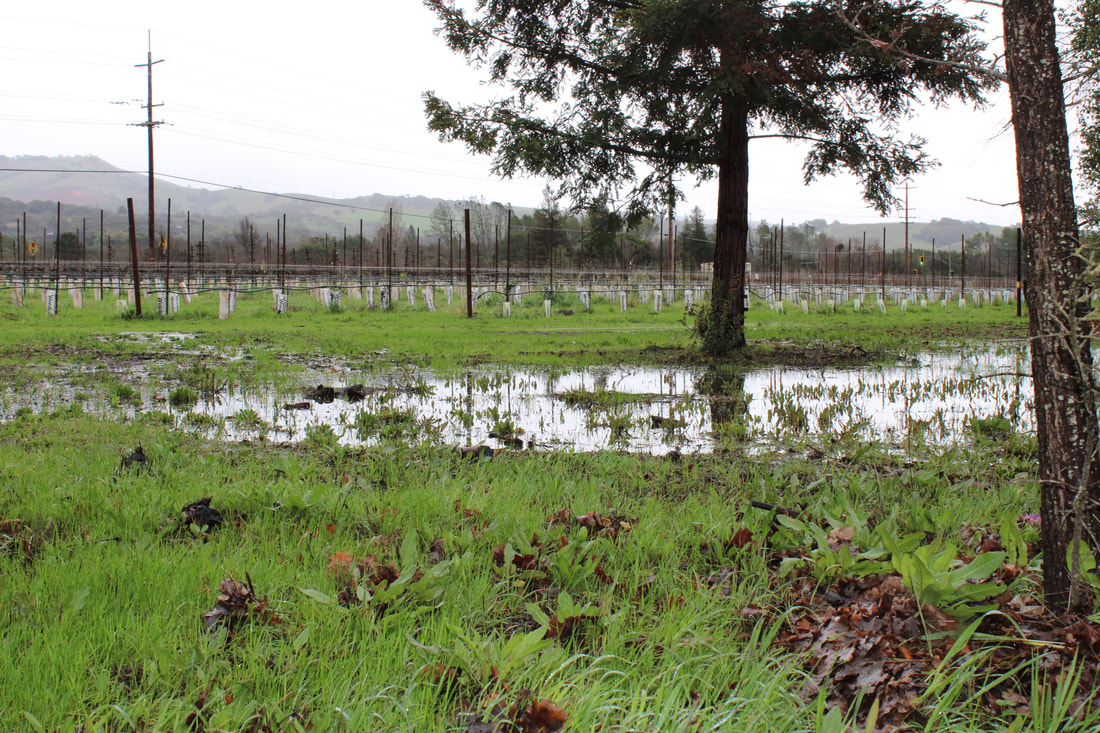 As sheets of rain and hail pounded parts of San Francisco Tuesday, Michael Baldacci, owner and winemaker at Baldacci Family Vineyards, looked out his window at the renowned Stags Leap District in Napa County and saw his cover crops coming to life.
Although intense storms continue to wreak widespread damage across the state, the wet weather is a boon for winemakers, who have long been waiting for the rain. “It just feels like we’ve been kind of praying for this,” said Baldacci. “The rains really have been something that we’ve welcomed the last couple of weeks.” Had this storm surge come later in the season, vintners may have been whistling a different tune. But the grapevines are currently in their winter dormancy, a stage between harvest and bud break when the vine drops its leaves and goes into a protective mode for the winter months. During dormancy, “all rain is good rain,” said Justin Leigon, viticulturist and board member of the Napa Valley Grapegrowers. That means there won’t be any direct impact on the grapevines or the wine that they produce, said Megan Bartlett, a plant biologist at the UC Davis Department of Viticulture and Enology. However, wet and humid conditions could increase the chance for fungal disease later in the season.
0 Comments
With extreme rain and storm conditions across the greater Bay Area, we recommend following these best practices during rainy winter months.
Subsurface drain tiles, sump pumps, and other vineyard “dewatering” systems are important and highly impactful farming tools. However, when run all winter long, they can waste electricity and prevent saturating rains from recharging our subsurface aquifers. Consider turning your sump pump OFF until much closer to bud break. When set to “auto” for the winter season, we risk unnecessarily adding more runoff to our swelling streams, creeks, and the Napa River. Saturated soils generally do not damage vineyard root systems during the dormant season; therefore concerns are minimal for vine impact. IMPORTANT NOTE: drainage and pumping systems are critical to maintaining roadway access or preventing water from entering wineries and damaging other types of sensitive infrastructure. In these cases, systems need to remain operational. Benefits to turning off sump pumps include:
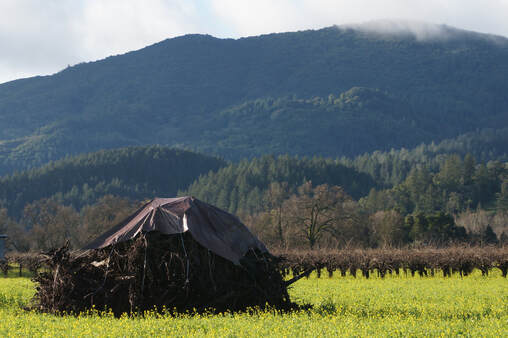 NVG's Low-Smoke Burning Technique & Other Alternatives
Permitted burn season runs from October through April. One of the easiest and most cost-effective alternatives to smoky burns for growers to implement is NVG’s Low-Smoke Ag Burning Technique. Use NVG's step-by-step manual available in English and Spanish to reduce black carbon, preserve air quality, and conduct virtually smoke-free burns! Burning is an essential practice with no alternative when it comes to preventing the spread of vine pests and diseases. In addition to NVG's Low-Smoke Burning Technique, the use of fireboxes such as Airburners can also deliver a clean burn. For vines not compromised due to pest and disease issues, other alternative methods include chipping and grinding. NVG's Vine Disposal & Open Burning Resources
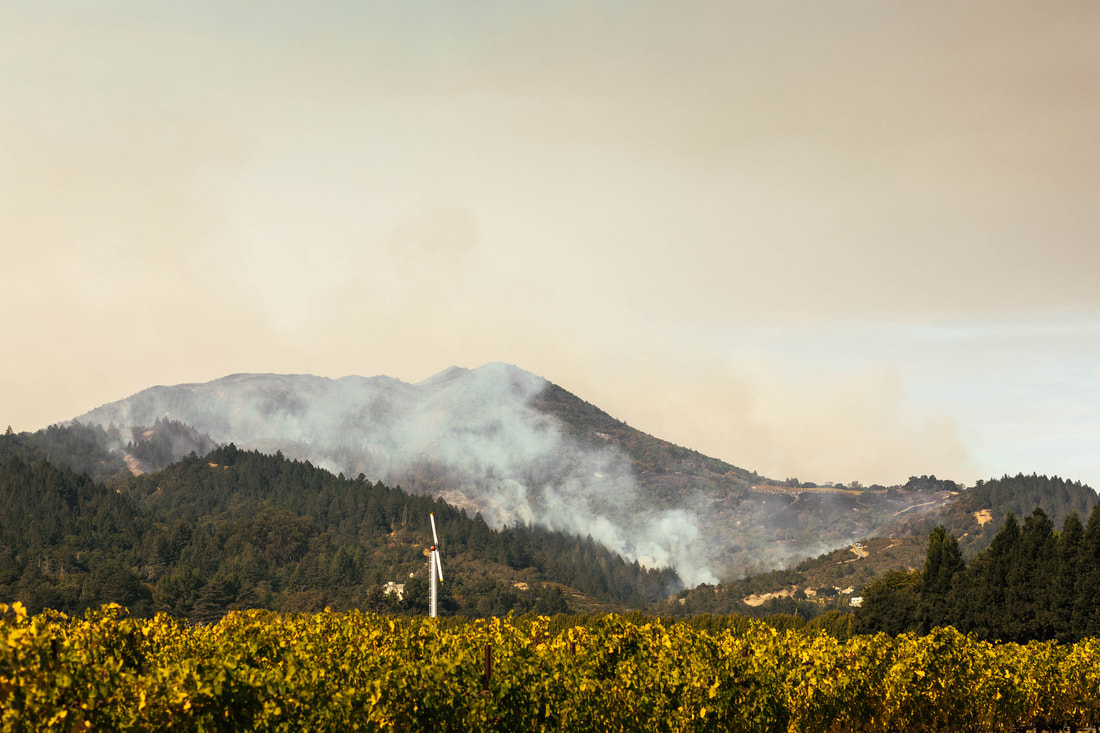 Photo by Emma K Morris NVG will carry forward a fire detection initiative, funding three early detection sensors for the month of September on Atlas Peak, Clover Flat, and Diamond Mountain with 24/7 monitoring to protect Napa County residents and businesses from wildfires.
The Illumination Technologies (ITC) state of the art “IQ FireWatch sensors” triangulate locations of potential fire threats including identifying specific parcel numbers in Napa County. This program was initiated in 2021, funded by Napa County. However, without the passing of Measure L, the service could no longer be maintained through public funds. Through the generosity of local grape growers, the sensors have continued to protect the community through the month of August. NVG will be taking on fiscal responsibility for the service through the month of September, at the peak of harvest and Napa County’s fire season—and in some of the County’s highest fire-risk areas. “When we realized the service was at risk of shutting down, NVG leadership sprung into action to ensure the sensors stayed on. Early detection is a valuable tool in the toolbox when it comes to protecting the entire community from the wildfires like we’ve experienced over the last several years. We’re proud to carry this community-first, collaborative initiative forward,” said Tom Davies, who sits on NVG’s Board of Directors, Industry Issues Committee, and Wildfire Task Force. As part of this initiative, NVG also commits to working with industry and community partners during the month of September and onward to implement a long-term plan for maintaining ongoing early detection services and expanding coverage to more areas throughout the County. NVG would like to recognize the incredible generosity and stewardship of Caymus Vineyards and Circle R Ranch & Vineyards for their individual contributions that allowed the ITC service to remain in place through August in service to the entire community. In addition to this initiative, the NVG Wildfire Task Force is engaged with several other projects including:
Photo by Emma K Morris It’s no surprise that the notion of preparedness and designing defensible spaces has made its way into the mainstream vernacular for all members of our community. Since 2017, 60% of the landcover in Napa County has been touched by fire. Across California, over 4.3 million acres of land burned in 2020 alone.
Wildfires may have become the new normal in California, but as a community we can work together to be more resilient and better prepared. To this end, creating fire-ready vineyards and landscapes is essential. In the aftermath of the 2020 Glass Fire, which burned large swaths of the Viader family’s Howell Mountain estate vineyard, as well as 30,000 surrounding trees, proprietor Delia Viader and her son, grape grower and winemaker, Alan Viader, are rebuilding their estate property through a new lens. They are preparing for the next fire threat by creating a defensible space that protects their vines and structures and, in circumstances as serious as the Glass Fire, gives firefighters a chance to fend off impending flames safely. And they want to help their wine country neighbors to do the same. Napa Valley Grapegrowers Report: Exploring alternatives to traditional agricultural burning3/13/2022 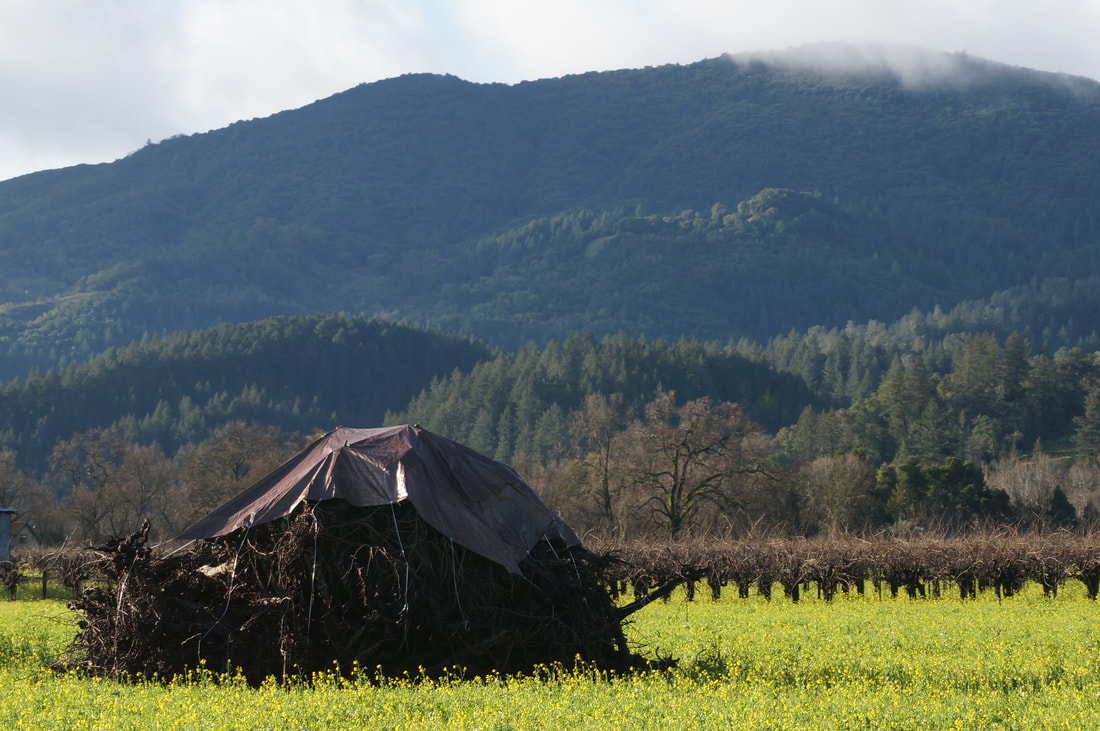 Beautiful and alluring acres upon acres of vineyards along the valley floor and up to the mountains attract many to the Napa Valley to live, work, and visit, and while the tourist economy is going strong it has become increasingly challenging to live and work in the area, motivating many growers in the region to explore alternatives to traditional farming.
Of significant importance to growers is how best to plan for and incorporate sustainable alternatives to traditional agricultural burning in vineyard management. Health and climate change concerns are a crucial part of reevaluating and renovating outdated farming practices. There is clear motivation to implement innovative, community-based solutions to minimize effects on air quality from various sources including transportation, building energy use, wood burning stoves, agricultural practices and more. And after devastating wildfires that have rocked the region and a significantly dry year, growers have more reason to invest in alternatives to traditional agricultural burning. 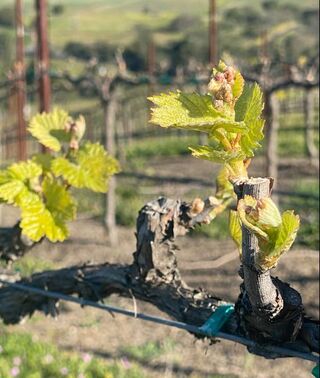 2022 bud break in the Carneros AVA, photo credit – Brittany Pederson, Renteria Vineyard Management Napa Valley Grapegrowers (NVG) announces that bud break has begun in Napa Valley. “We’re seeing variable bud break in our chardonnay planted in the Carneros AVA,” said Brittany Pederson, Director of Viticulture for Renteria Vineyard Management, “Within the next week, we’ll begin seeing bud break throughout the valley.”
Pederson added that her water reserves were full in most locations, and while grape growers need rain, she feels good heading into the new season. “Because the soils are dry, we got a head start with floor management this year,” Pederson said, “For example, we’ve been able to mow and disk early, which helps prepare us for frost season.” By mowing and disking cover crop now, soils can hold the necessary heat to keep frost from damaging delicate buds, it also allows for air flow – both of which support a healthy growing season for Napa’s vineyards. With sustainable practices top-of-mind, many grape growers are also welcoming sheep into their vineyards. As herds graze freely on hearty cover crop, their nutrient-rich manure provides a quick way for grape growers to feed their soils, and an excellent way to reduce the usage of mowers throughout the vineyard. 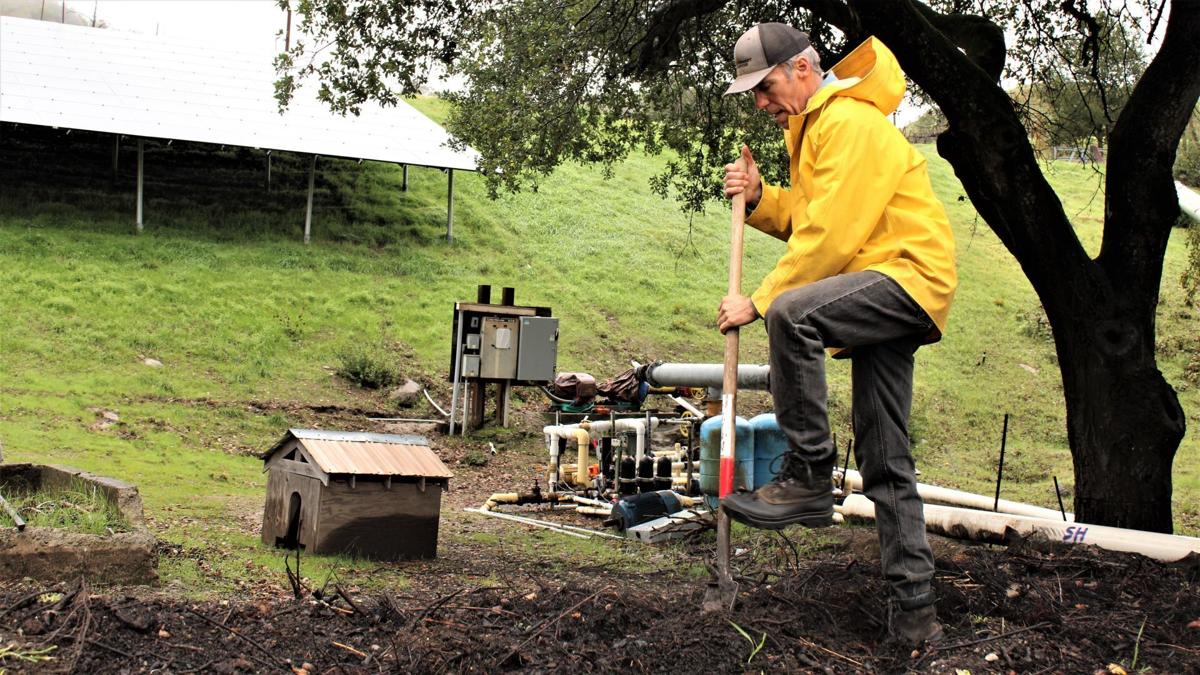 By Sam Jones
Grape growers in Napa County are constantly looking for innovative ways to decrease waste while increasing productivity in their vineyards, but not all of these methods are high-tech or brand-new. For many, the act of accumulating, turning and spreading compost is a basic but key part of their vineyard management strategy, and has been practiced since ancient civilizations first prioritized agriculture. “Composting has always been considered key to better farming and is a key practice employed in Napa Valley vineyards,” said Michael Silacci, winemaker for Opus One and president of the Napa Valley Grapegrowers. “When composting is done properly using good management techniques and temperature monitoring, the result is a fine source of nutrients for plants and it has a positive impact on preventing soil erosion by rebuilding soil structure and supporting plant growth.” By increasing microbial activity in these waste materials – think oak leaves, grape stems, manure – pulled from their property, vintners are able to not only benefit soil health, but also keep as much of its waste on-site as possible. 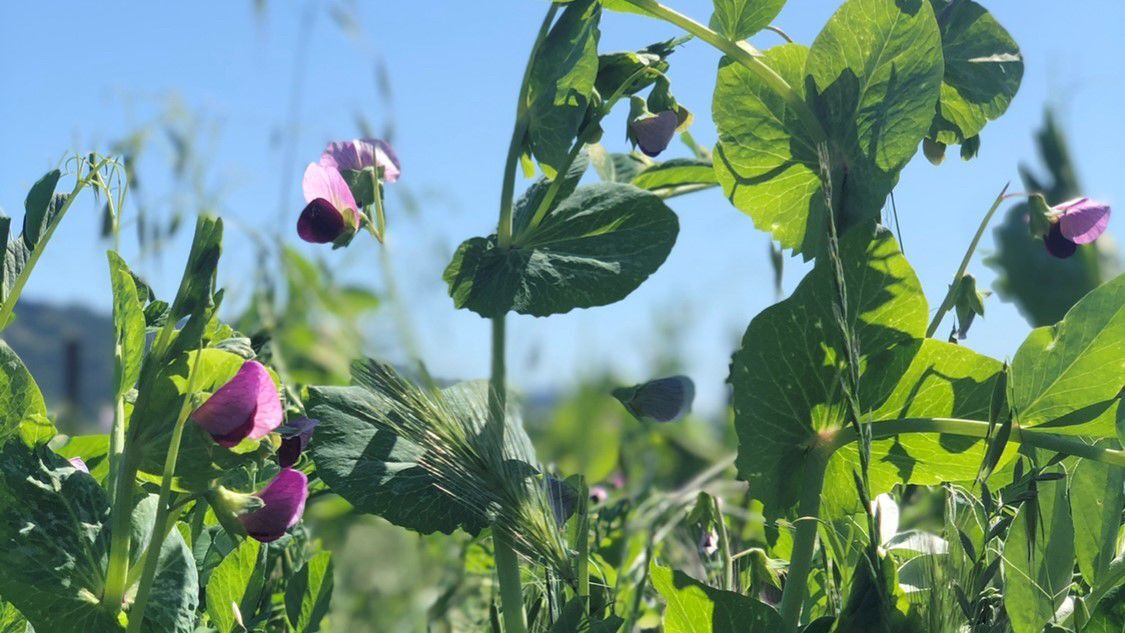 By Sam Jones
When the winter rains come to Napa Valley, soil erosion is at the top of many viticulturists’ minds. Terracing and other structural changes to the terroir are largely a mitigation method of the past, with many vineyards planting the grassy patches between their rows with mustards, legumes, and grasses as cover crops. And while the blooming yellows of mustard certainly brighten up Napa’s landscape each year, these widespread plants have important ecological benefits as well. “It’s all about watershed protection,” said Molly Moran Williams, Industry and Community Relations Director for the Napa Valley Grapegrowers. “Cover crops on hillsides prevent erosion, which, in return, protects our river and watershed.” “On top of that, in vineyards all over the valley, cover crops add nutrients back into the soil, increase microbiome diversity, and are used widely as a climate-smart farming practice.” Each year, growers follow standards mandated by Napa County's Conservation Regulations and Erosion Control Plans (ECP) that prevent erosion and promote water security, protecting public health and preserving natural resources. The following is a reminder of the annual requirements for Napa County grape growers:
The County conducts annual randomized inspections to ensure winterization practices are enforced. Individual Erosion Control Plans may be subject to other deadlines and extensions based on individual ECPs. Since the 2017 fires, Napa County has allowed property owners to delay the application of straw mulch beyond the winterization deadline by submitting a formal winterization extension request for review and approval. |
Categories
All
Archives
April 2024
|
|
Visit the Napa Valley Farmworker Foundation Website
|
 RSS Feed